
Calf injuries are common in all sports as well as in the general population. Some conditions may be considered an emergency and yet others can be chronic irritants. In this article I am going to address what you need to consider when there is a calf injury?
First of all, are there any bumps, discolourations or deformities? Red and hot with lots of pain to touch could indicate a blood clot or even an infection. This is an emergency! An acute Achilles rupture may present with swelling in the calf, bruising, or an obvious deformity if the tendon has recoiled. Again, this should be presented to the emergency department for consideration for an Achilles tendon repair. Note that not all Achilles tendons need to be surgically repaired, but assessment as soon as possible will help in the decision process.
A bump on the Achilles tendon just behind the ankles may indicate a tendonosis. This is the most common Achilles injury that presents to my office. A bump indicates some inflammation and degeneration within the tendon structure and may take some time to go away even though your pain may have left weeks or months before. Strengthening exercise is often the best treatment choice to stimulate remodeling within the tendon.
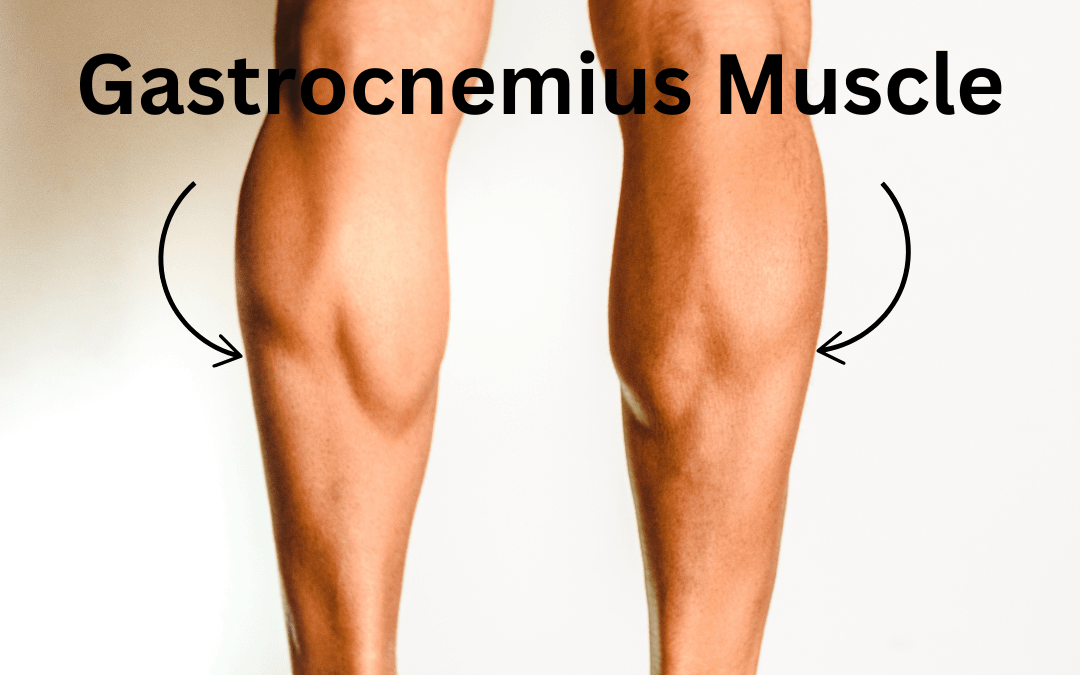
There are also multiple other locations for a muscle injury to occur within the calf. The gastroc muscle attaches at the posterior knee via 2 muscle heads which converge into one tendon. In addition to the gastroc muscle there are also the popliteus, soleus, flexor digitorum longus, flexor hallucis longus, and the posterior tibialis muscles all present underneath. Muscle injuries can occur to any of these muscles or their tendons.
Consider the size of the muscles in general compared to the other leg. Is the sore leg noticeably smaller? Perhaps the injury is due to a low back problem. A disc herniation affecting the S1 nerve root may cause atrophy in the gastrocnemius muscle. Pain, numbness or tingling or a lack of sensation in the skin of the calf may be symptoms felt with nerve involvement from a disc injury and should be addressed to avoid prolonged damage.
Perhaps there is a peripheral entrapment of the tibial nerve. How does the shin bone feel? What about on the inside of the shin bone? True shin splints, also called medial tibial stress syndrome, results from pulling of the posterior tibialis muscle on the thin lining of tissue, the periosteum of the bone surrounding the shin. Stress to the posterior tibialis muscle may arise from improper running form, an increase or change in activity, or compensations made due to other injuries. In some cases, an orthotic assessment can help identify whether foot mechanics are contributing to that stress.
Any blisters in the area should be closely watched. This may not seem like a common association, however, I have seen this often and wanted to include in the discussion. Shingles present along the path of a nerve root. Often, the patient will present with a deep ache or pain anywhere along the path of the involved nerve days before the blisters appear and often can’t be attributed to a certain incident or activity. The thigh and the rest of the leg should also be assessed when multiple blisters are present. This isn’t something that can be treated in a chiropractic office, but should be recognized and referred on to the patient’s family doctor.
There are multiple sources of calf pain. Please consider these carefully when you or someone you know are experiencing pain in your calf. Did you know that personalized chiropractic treatment can effectively address many muscle injuries? If you are experiencing calf pain or another extremity injury, please contact us with any questions you may have, or book an appointment online. We always look forward to providing you with the best care.