
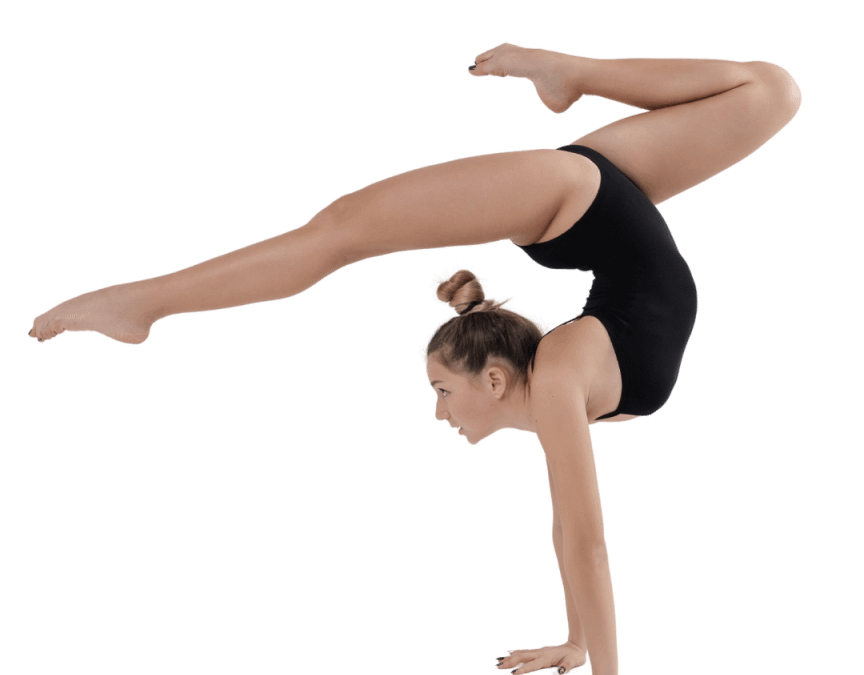
Balance in relation to the body refers to maintaining an upright position without falling over. Over the next 2 months, our newsletter and health highlights will focus on the topic of balance, why it is important and ways that we can improve on our balance.
Balance is important for everyone. In order to move safely and with precision, we need to feel balanced. Balance is a neurological interpretation of several systems working together in the body. These include the eyes, ears and vestibular system, muscles, joints, nerves and brain. Sometimes, if just one of these systems are off, we can lose our balance. However, because there are many systems working together, the other systems can often make a compensation for another so our interpretation is that we are balanced. But this may only be temporary and maybe more easily offset should other disturbances happen. For example, consider an individual that has an ankle sprain and now has restricted range of motion in the ankle. The body will learn to accommodate for small missteps or sudden surface changes by contracting muscles in a way to prevent falling. However, if we now take vision away and the same person now missteps in the dark, they are more easily able to fall as a result of losing balance.
Muscles and joints contain nerve endings called proprioceptors. These nerve endings tell our brain where our joints are positioned in space. The larger the muscle and the more coarse the movement, there will be less proprioceptors. We have more proprioceptors where there are small intrinsic muscles that allow for precise motion, like our hands and our neck. If these proprioceptors become torn from an ankle sprain or whiplash injury, the information relayed back to our brain is altered. This can account for the reason why balance is difficult after these injuries.
Our vision is also an important contributor to balance. Our vision allows us to assess depth perception which will contribute to how big of a step to take or simply when to take a step. Have you tried standing on 1 foot with your eyes closed? You will be surprised how easy it is now to fall over. When vision is removed, now you are relying on your joint proprioceptors and vestibular system to tell your brain where you are positioned. Try this at home, just make sure you are close to a wall or something else to hold on to if you start to fall over.
The vestibular system is a small apparatus located in the inner ear. There are 3 semicircular canals that are oriented in each of the planes of motion. They are connected to the cochlea which detects different sounds. The entire apparatus is filled with fluid. The direction of fluid movement in the semicircular canals helps us determine the direction we are moving. The stimulation of the otolith organs, which are another structure within the vestibular apparatus, detect linear acceleration and head position relative to gravity. The vestibular nerve carries signals to the brain to be interpreted and the proper response sent out.
The cochlea connects to the vestibular apparatus as well as the inner bones that vibrate in relation to sound. The vibration of the inner ear bones moves the tympanic membrane creating waves in the fluid of the vestibular/cochlear apparatus. As the fluid moves through the cochlea, different nerve endings are stimulated depending on the wavelength of the fluid. This is how sounds are detected. Because of their close relationship, if hearing becomes impaired, balance may be thrown off also.
How is chiropractic care related to this? Because chiropractors treat the joints of the spine and extremities, we can affect the signaling of the proprioceptors located within the joints. Because of the fine movement of the head and neck, there are a large number of proprioceptors located in the neck. The most common injury to the neck that can cause damage to these proprioceptors is a sprain as in a whiplash injury. When we manipulate the cervical spine, we can affect the proprioceptors and therefore cause a change in balance. Most often, a manipulation increases range of motion in the joint and now these proprioceptors can be activated in a different range. In addition, we can provide exercise that works on balance with various eyes open or eyes closed standing positions, or on improving mobility within the neck.
Over the next 2 months, our email, instagram and blog posts will focus on balance and ways that you can improve your balance at home.
Do you have a balance issue? Please contact our office to discuss further or book an appointment for an assessment.